
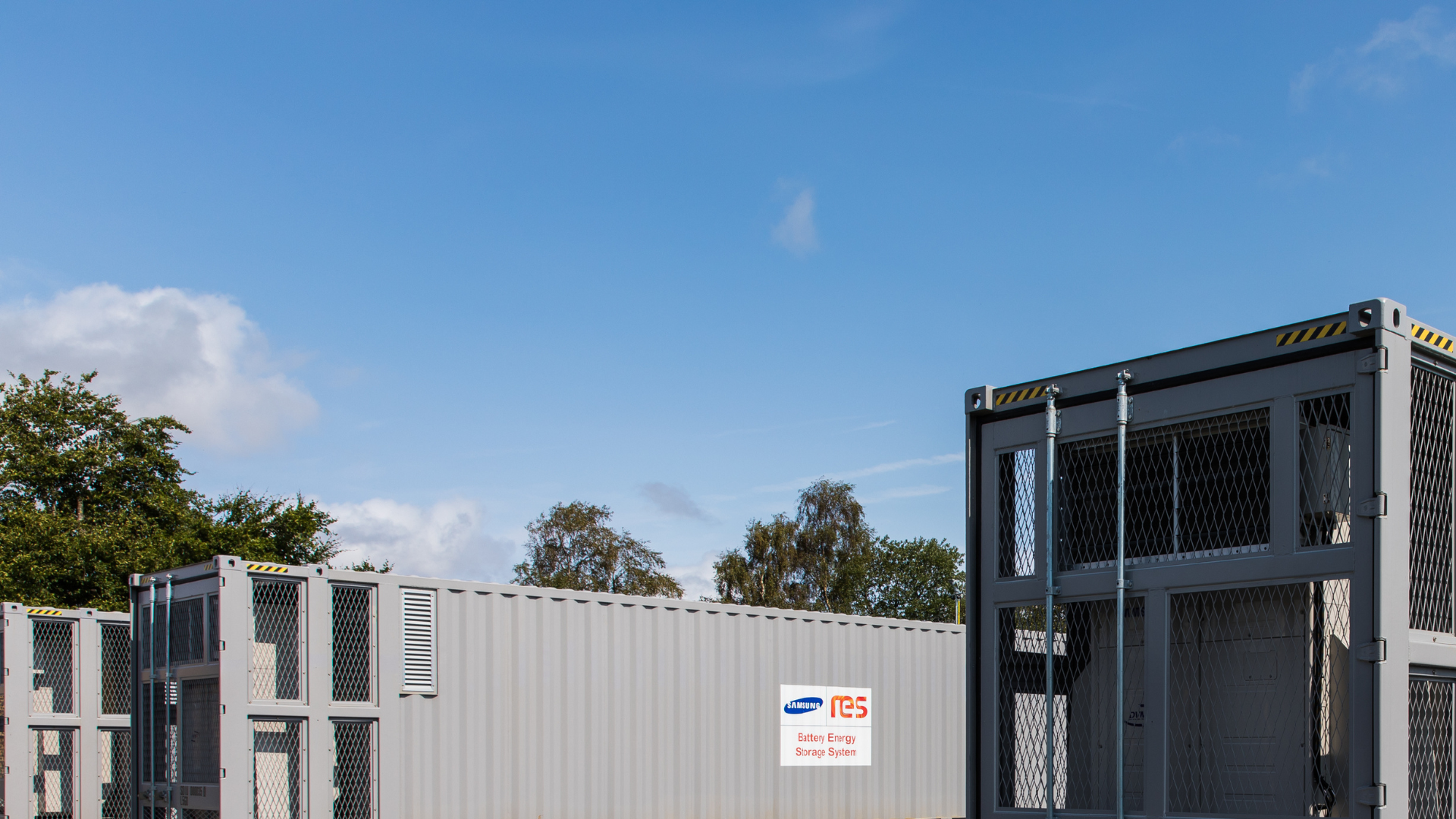
Bunyip North Energy Storage
A new energy storage project in Australia
Latest Project News
July 2026
Information session summary
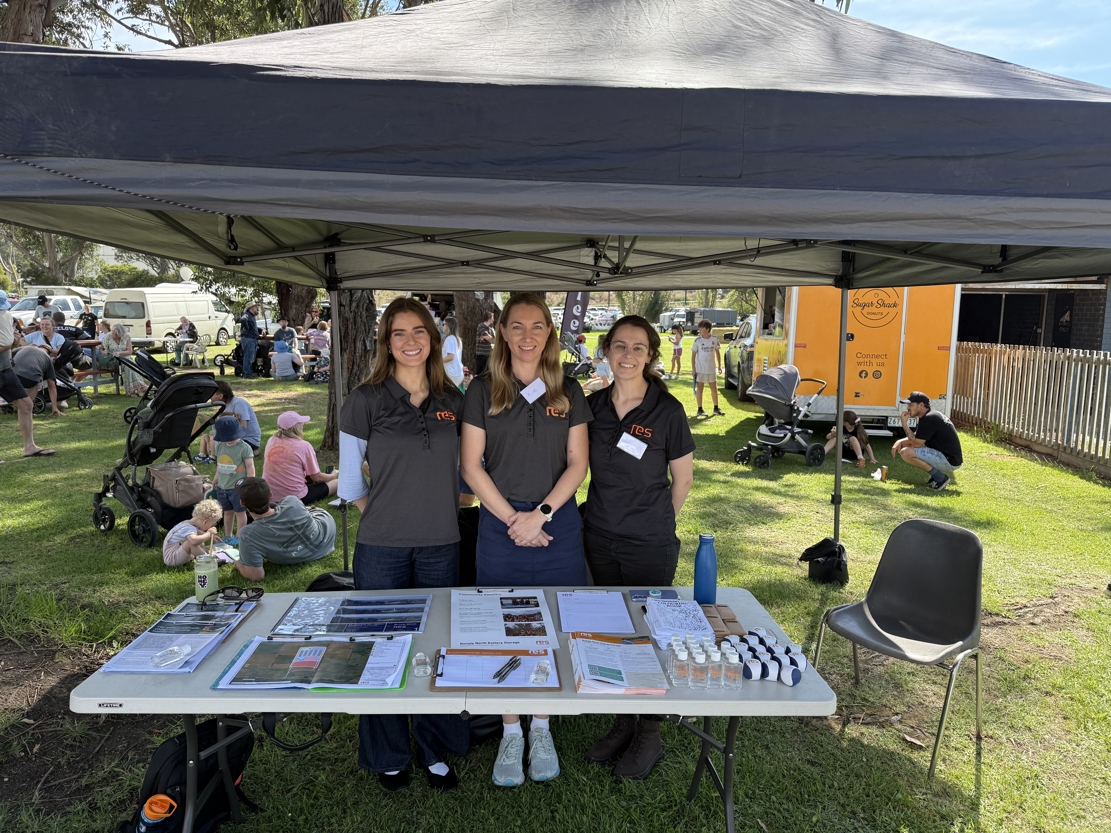
RES hosted a drop-in information session at Bunyip Hall on Saturday 18 July 2026, giving community members another opportunity to speak with the project team and learn more about the proposed Bunyip North Battery Energy Storage System (BESS).
The session focused on the project’s technical assessments and the planning process, with information available on the proposed site layout and location, bushfire, noise and visual considerations, and potential community benefits.
This was the fourth time the project team has engaged with the community in person since August 2025. During the session, the team spoke with 30 community members and heard a range of views about the proposal.
- Information shared at the session is available through the links below:
- Planning Application Summary here
- Project layout and elevation plans here
- Photomontages here (under Landscape and Visual heading)
- Clean Energy Council factsheets here
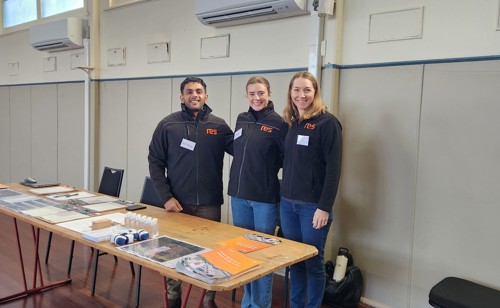
Public notice of the planning application
The planning application is now on public notice and the Responsible Authority will not decide on the application before 21 August 2026.
To view the full technical assessments please visit: PA2604370
To learn how to make a submission: see Planning Pathway & Timeline or review the formal Notice of an Application for a Planning Permit (Form 2).
Near neighbours (determined by the Department of Planning) will receive formal notification via mail this week.
RES remains committed to ongoing engagement with the local community. We will continue to provide information, listen to feedback and offer opportunities for people to learn more about the project as the planning process progresses.
Community members are encouraged to contact the project team with any questions or comments about the project and sign up to receive email updates: bunyipnorth-energystorage.com/contact-us/ Further project updates will be shared as they become available.
June 2026
You're invited to drop by and meet the team working on the proposed Bunyip North Battery Energy Storage System (BESS).
Following recent engagement across the community, this information session is an opportunity to learn more about the project, ask questions, and share your feedback directly with us.
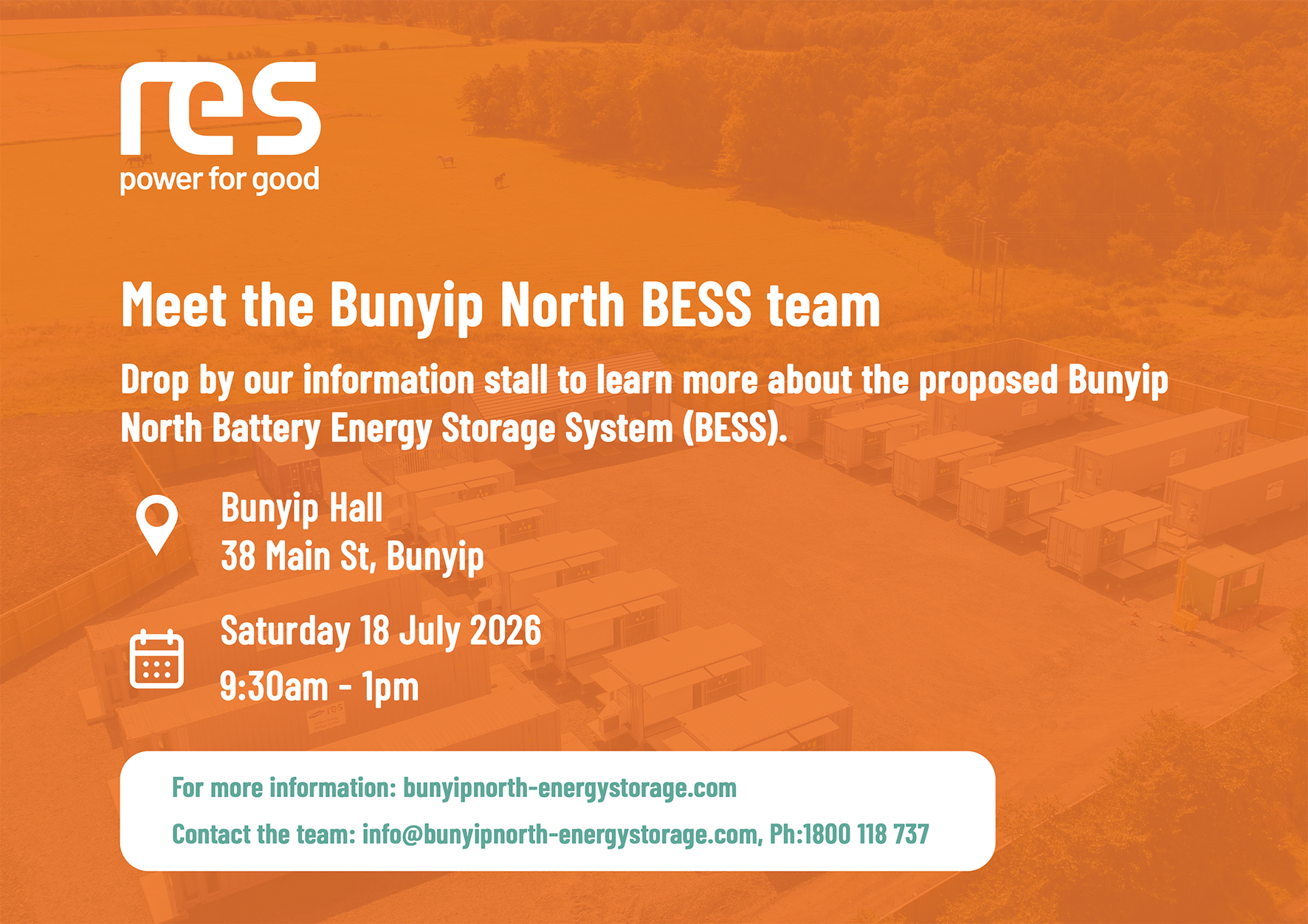
At the session, you’ll be able to:
- Speak with the project team
- Learn more about how a battery energy storage system works
- View the latest project information and technical findings
- Share your feedback and ask questions
- Find out more about community benefits and opportunities to get involved.
We encourage you to drop in at any time during the session —it’s an informal session and there’s no need to register.
Your feedback is important and helps shape how the project evolves, ensuring local priorities are considered as planning progresses.
May 2026
EPBC Approval
RES welcomes the Australian Government’s decision that the proposed Bunyip North Battery Energy Storage System does not require further assessment under the Environment Protection and Biodiversity Conservation Act 1999 (EPBC Act).
This decision confirms the project is not expected to have a significant impact on matters of national environmental significance.
The project will continue to progress through the relevant state and local planning processes.
April 2026
EPBC Referral Now Open for Public Comment
Review the referral documents and lodge a submission via the EPBC Public Portal
What is being proposed?
The Bunyip North Battery Energy Storage System (BESS) is a proposed large‑scale battery project designed to store electricity and support Victoria’s renewable energy system. Battery projects like this help store surplus energy and release it when demand is high, improving energy reliability and supporting the transition to clean energy.
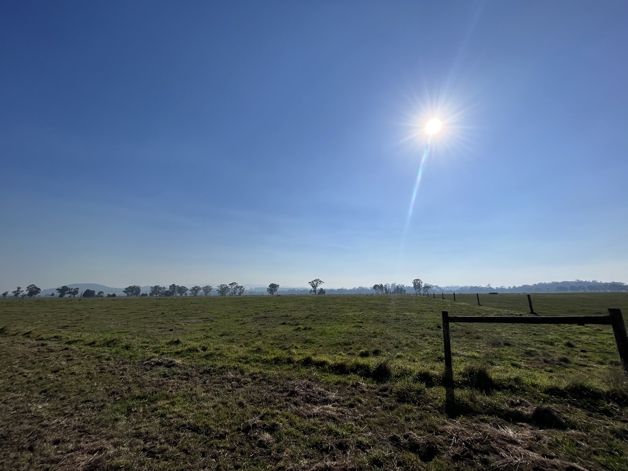
The project is proposed in Bunyip North, approximately 2.5 km north of the Bunyip township and close to existing transmission infrastructure and the Princes Freeway.
RES has referred the project to the Department of Climate Change, Energy, the Environment and Water (DCCEEW) under the Environment Protection and Biodiversity Conservation (EPBC) Act to determine whether it requires assessment for potential impacts on nationally protected environmental matters.
Key project details
- Technology: Battery Energy Storage System (BESS)
- Proposed capacity: Up to 400 MW / 2,400 MWh
- Project area: Approximately 30.8 hectares
- Construction timeframe: Anticipated to start mid‑2027, with construction around 24 months
- Operational life: Approximately 20 years
- Workforce:
-
- Construction peak: up to ~75 workers
- Operations: 2–4 full‑time equivalent staff, with specialist contractors as needed
The project will connect to the electricity grid via a new 220 kV terminal station, linking into existing high‑voltage transmission lines that already pass through the area.
Where will it be located?
The proposed site is predominantly modified agricultural land currently used for livestock grazing and hay production. While there are environmentally sensitive areas nearby – primarily associated with Cannibal Creek and farm dams – the project area was selected to avoid direct impacts to these.
Importantly:
- Cannibal Creek is located approximately 250 m north of the project area.
- A minimum 200 m buffer will be maintained between the project and these higher‑value habitats.
- The project avoids mapped waterways, wetlands and known cultural heritage sites.
What environmental studies were undertaken?
Comprehensive environmental investigations were completed to inform the EPBC referral, including:
- Desktop ecology assessments covering a 10 km locality.
- On‑ground ecological field surveys (April 2025) including flora, fauna and habitat assessments.
- Flood modelling and hydrological studies.
- Cultural heritage investigations.
What did the studies find?
The studies found that:
- No Matters of National Environmental Significance (MNES) will be significantly impacted.
- No threatened species, threatened ecological communities or listed migratory species under the EPBC Act were recorded within the project area.
- Preferred habitat(s) for threatened flora, fauna and migratory species are located outside the project area, primarily around Cannibal Creek.
- No Aboriginal cultural heritage sites were identified within the project area.
- No Commonwealth heritage places, Ramsar wetlands or marine areas will be affected.
- The site is not flood‑prone, with only minor sheet flow during major rainfall events.
Based on these findings, the project is unlikely to have a significant impact on matters protected under the EPBC Act.
How will environmental impacts be avoided and managed?
While no significant impacts are expected, the project includes strong avoidance and mitigation measures to protect the environment.
Avoidance
- Maintaining a minimum 200 m buffer to Cannibal Creek, farm dams and higher‑quality habitat.
- Locating infrastructure within previously modified farmland.
- Avoiding native vegetation and sensitive areas wherever possible.
Protection during construction
- Installation of erosion and sediment controls to prevent runoff.
- Weed and biosecurity management, including hygiene protocols for vehicles and equipment.
- Frog and fauna exclusion fencing where required.
- Protection of retained vegetation and habitat areas.
- Careful management of soils, including any acid sulphate soil risks.
During operation
- Ongoing environmental monitoring and maintenance as required.
- Vegetation and fire‑risk management.
- Remote system monitoring and safety systems, including fire detection and suppression.
At end of life
At the end of operations, the project will be repowered, upgraded or decommissioned subject to relevant approvals. Decommissioning activities will be conducted in accordance with relevant approvals and regulatory requirements and generally include:
- Removal of above‑ground infrastructure.
- Recycling or responsible disposal of materials.
- Rehabilitation of the land to a stable condition suitable for future use.
How to review and make a submission
1. Open the referral page: https://epbcpublicportal.environment.gov.au/all-referrals/project-referral-summary/project-decision/?id=b9735f34-4443-f111-88b4-002248989885 (EPBC Number2026/10492)
2. Review the Project Documents via the links provided on the page.
3. Use the “Make a comment” button on the portal to lodge your submission online.
Closing date: Please lodge your submission by Wednesday, 13 May 2026. (Check the portal for the exact closing time on the day.)
Tips for preparing a useful submission:
- Be specific and, where possible, reference sections of the referral or supporting studies you are commenting on.
- Focus on matters protected under the EPBC Act (for example, listed threatened species and ecological communities, migratory species, and World and National Heritage Areas).
- Share any local knowledge or data that could help improve assessment of potential impacts and proposed mitigation.
Accessibility and support: If you need help accessing the referral documents or using the portal, please reply to this email and we’ll assist.
Privacy: Submissions are made directly to the Australian Government via the EPBC Public Portal. Please refer to the portal for information about how your comments are handled and privacy considerations.
Please note: all submissions must be made via the EPBC portal – submissions cannot be sent to RES directly.
What happens next?
The Australian Government will review the EPBC referral and decide whether:
- The project can proceed without further EPBC assessment; or
- Additional assessment is required.
This process is separate from Victorian planning approvals, which will also be required before construction.
Thank you for your ongoing interest in and support for the proposed Bunyip North Battery Energy Storage System.
March 2026
Bunyip Show Information Stall Summary
RES hosted an information stall at the Bunyip Show on Sunday March 22 and shared details about the proposed Bunyip North Battery Energy Storage System (BESS).
The project team spoke with 28 community members about the project. Discussions covered how the BESS would operate, the proposed site layout and location, community benefits and employment. Community sentiment was a mix of positive and neutral.
The information shared at the Bunyip Show is available online:
· March 2026 project newsletter here
· Community benefits here
· Photomontages here
· Clean Energy Council factsheets here
RES is committed to ongoing engagement with the local community and providing opportunities to learn about the project. Attending local events such as the Bunyip Show is one way the project team seeks to share information and hear community feedback.
Community members are encouraged to contact the project team with any questions or comments: bunyipnorth-energystorage.com/contact-us/
Project updates will continue to be shared as the planning process progresses.
Feedback invited as planning work continues
RES is inviting feedback ahead of the planning application submission for the project. Feedback from the community and key stakeholders to date has helped inform our ongoing planning work, including development of the indicative site layout. The layout responds to technical, environmental and regulatory considerations and may continue to be reviewed as planning work progresses.
More information, including the indicative layout and high-level summaries of technical studies, is available on the Layout & Technical Assessments page.
We are seeking feedback to better understand local perspectives — particularly any local knowledge, questions, or matters you think the project team should be aware of as we prepare the application. Click here to share.
Meet the team at the Bunyip Show
The Project team will be at the Bunyip & District Agricultural Show on Sunday 22 March 2026, to share information about the proposed Bunyip North Battery Energy Storage System (BESS), answer questions, and invite feedback from community members.
January 2026
Frequently Asked Questions (FAQs) published
Thank you to everyone who has shared questions and feedback on the Bunyip North BESS. We have now prepared a series of frequently asked questions based on input received during early engagement, including website submissions and conversations at our information stall at the Bunyip Community Markets.
Key topics raised so far include:
- why the site was chosen and how the battery supports the electricity grid
- how the project is assessed under the Development Facilitation Program and how the community can have a say
- environmental, cultural and land-use considerations
- fire safety and emergency response
- community engagement and benefit-sharing opportunities
These questions can now be viewed on the FAQs page of our website.
RES will continue to provide transparent updates and encourages community members to keep asking questions and sharing feedback.
Bunyip Market information stall #2
RES attended the Bunyip Community Market on Sunday 25 January 2026 (8am–1pm) to share information about the Project and speak with community members. Thank you to everyone who stopped by to ask questions and share feedback.
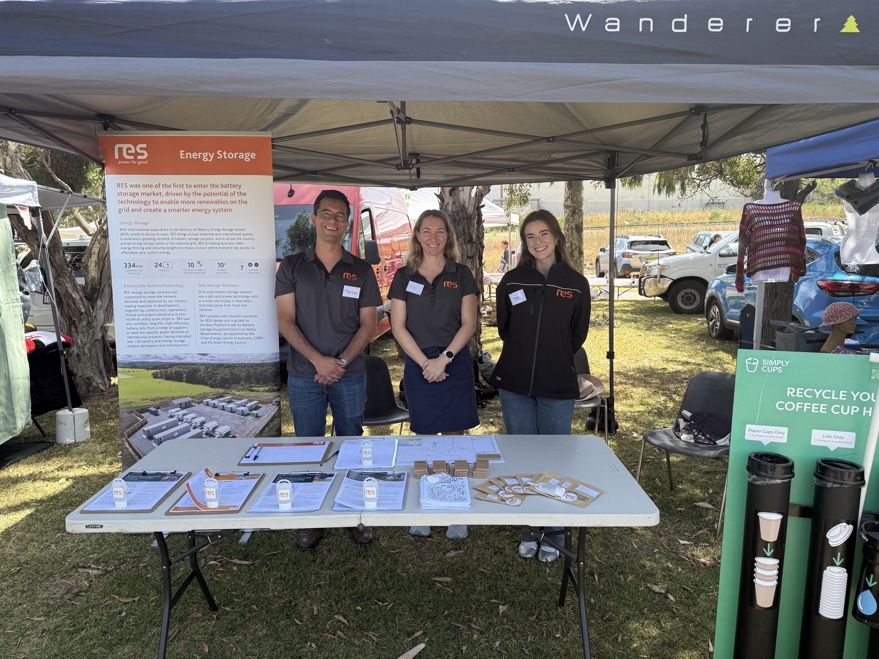
From left to right: Marton Kalocsay, Kim Stone, Ava Powell-Larwood from RES at the Bunyip Community Markets in January 2026.
October 2025
Bunyip Market information stall
RES hosted an information stall at the Bunyip Community Market in October to engage directly with local community members regarding the proposed development. The stall provided an opportunity to speak directly with community members, answer questions, and gain a better understanding of local interests, concerns, and ideas for benefit sharing. A summary of the community engagements, along with responses to frequently asked questions raised on the day, will be published soon.
To register for updates ahead of future engagement opportunities, register here.
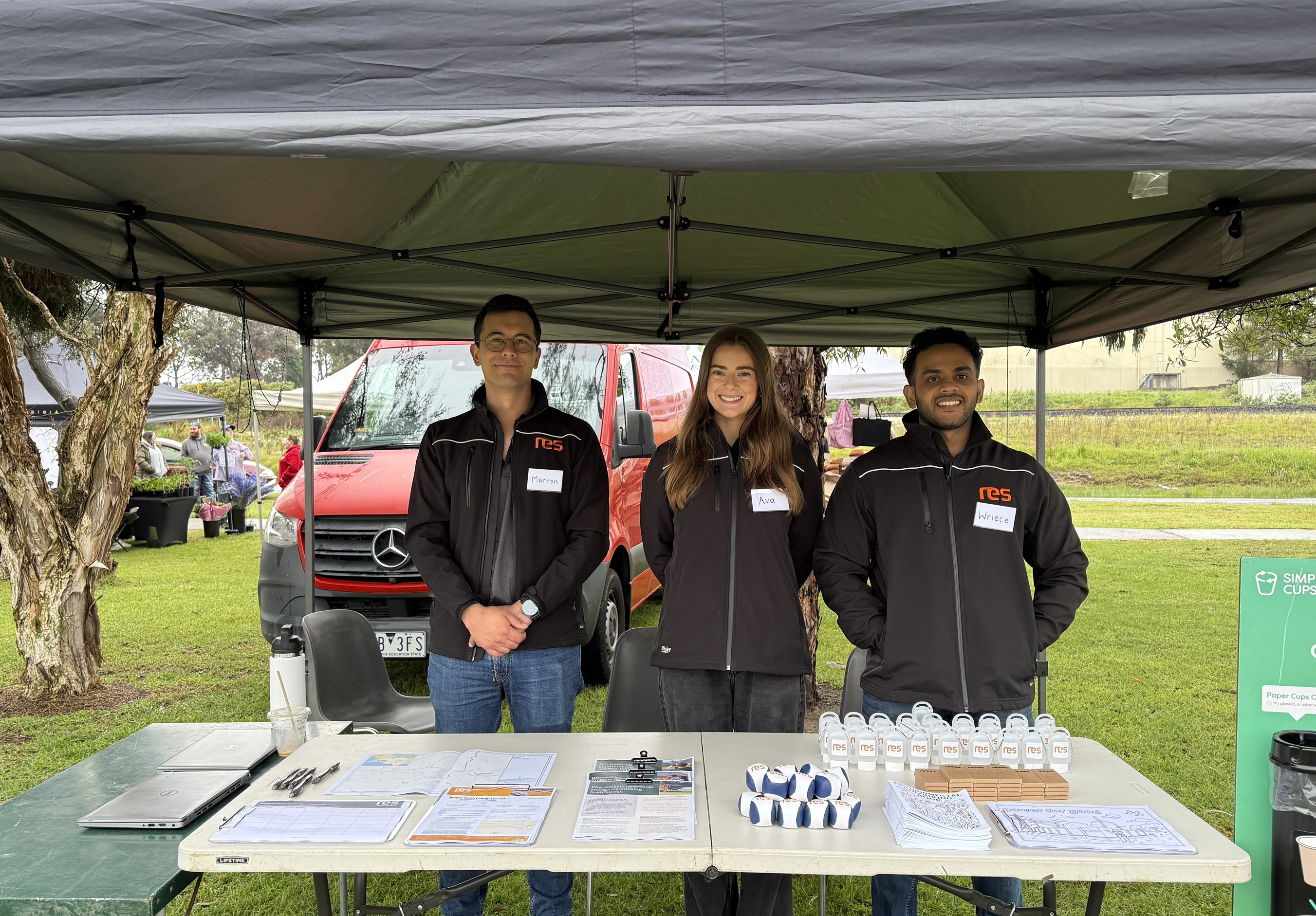 Members of the Project Team, from left to right: Marton Kalocsay (Senior Development Project Manager), Ava Powell-Larwood (Development Project Manager) and Wriece Madassery (Senior Grid Connection Engineer).
Please click on the image below to read our October Project Newsletter.
September 2025
Project team volunteers in Bunyip
In September, seven members of the RES team came together for a hands-on volunteering day at Bunyip River on Bunurong Country, near the proposed Bunyip North BESS site. Guided by the Bunyip Landcare Group, the team planted over 170 native plants and trees, complete with tree guards, to help create vital habitat for endangered species such as the Southern Brown Bandicoot.
As part of RES’s commitment to fostering positive social impact and contributing to the wellbeing of local environments and communities, employees are offered dedicated volunteering leave to participate in community projects like this one. RES invite suggestions regarding future volunteering opportunities in and around Bunyip through the Project email or form on the Contact Us page.
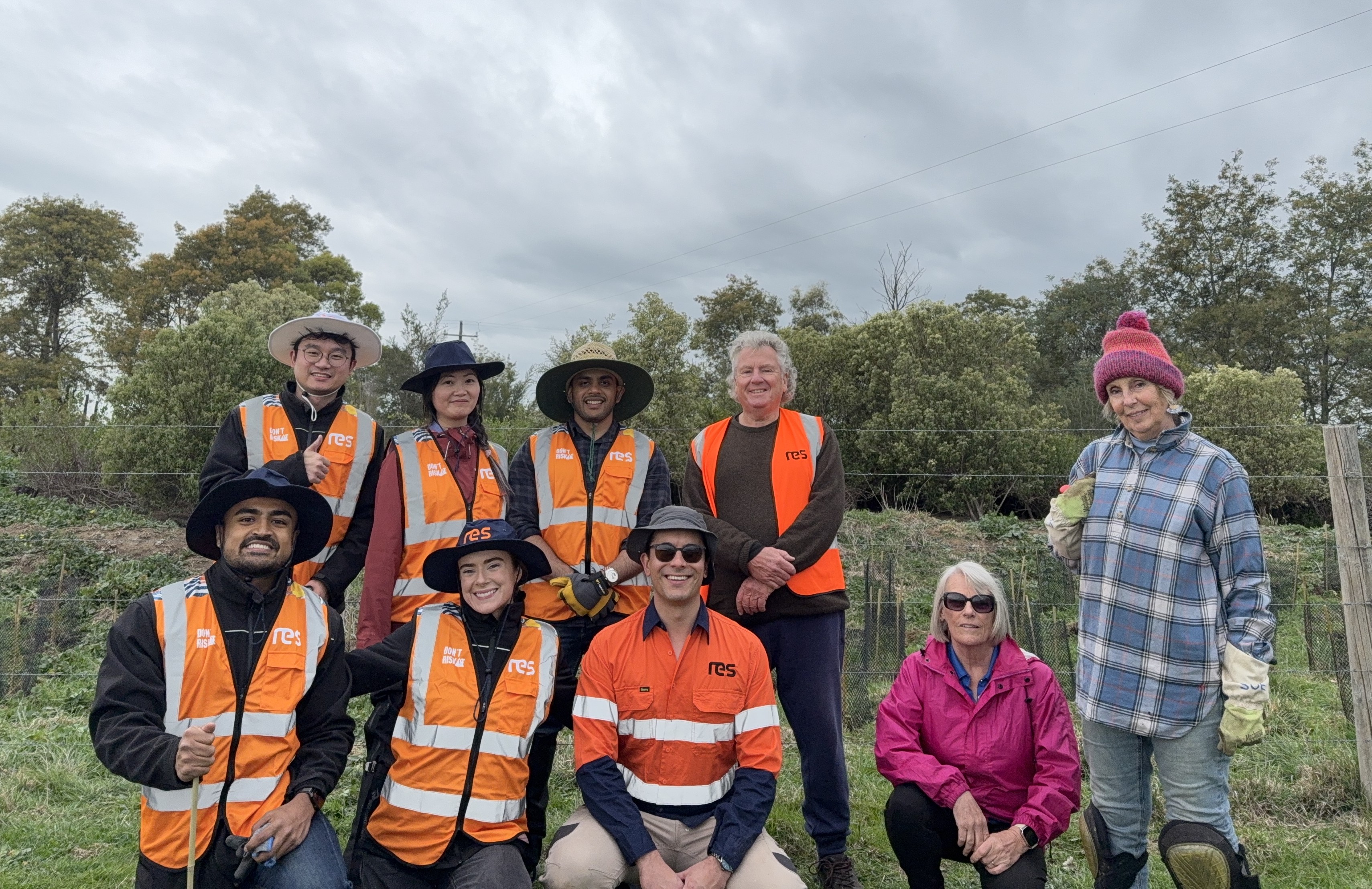 From left to right, top row: Wilson Ng (RES Commercial Manager), Bethany Du (RES Senior Legal Counsel), Wriece Madassery (RES Senior Grid Connection Engineer), Tony Ross (Former BRAG Vice President and Group Member), and Sue Anderson (Bunyip Landcare Group President and BRAG Assistant Secretary). Bottom row: Ishrak Islam (RES Assistant Development Project Manager), Ava Powell-Larwood (RES Development Project Manager), Marton Kalocsay (RES Senior Development Project Manager), and Helen Ross (BRAG Secretary).
August 2025
RES has commenced engagement on the proposed Project by contacting neighbours, community groups, Council and government agencies. We will keep you posted as new information becomes available. If you want to discuss the Project directly with a team member, please Contact Us.